
Water Damage Restoration in Minneapolis
Water extraction, structural drying and the rebuild that follows, for homes, rentals and small commercial spaces.
Extraction, Flood Cuts and Structural Drying
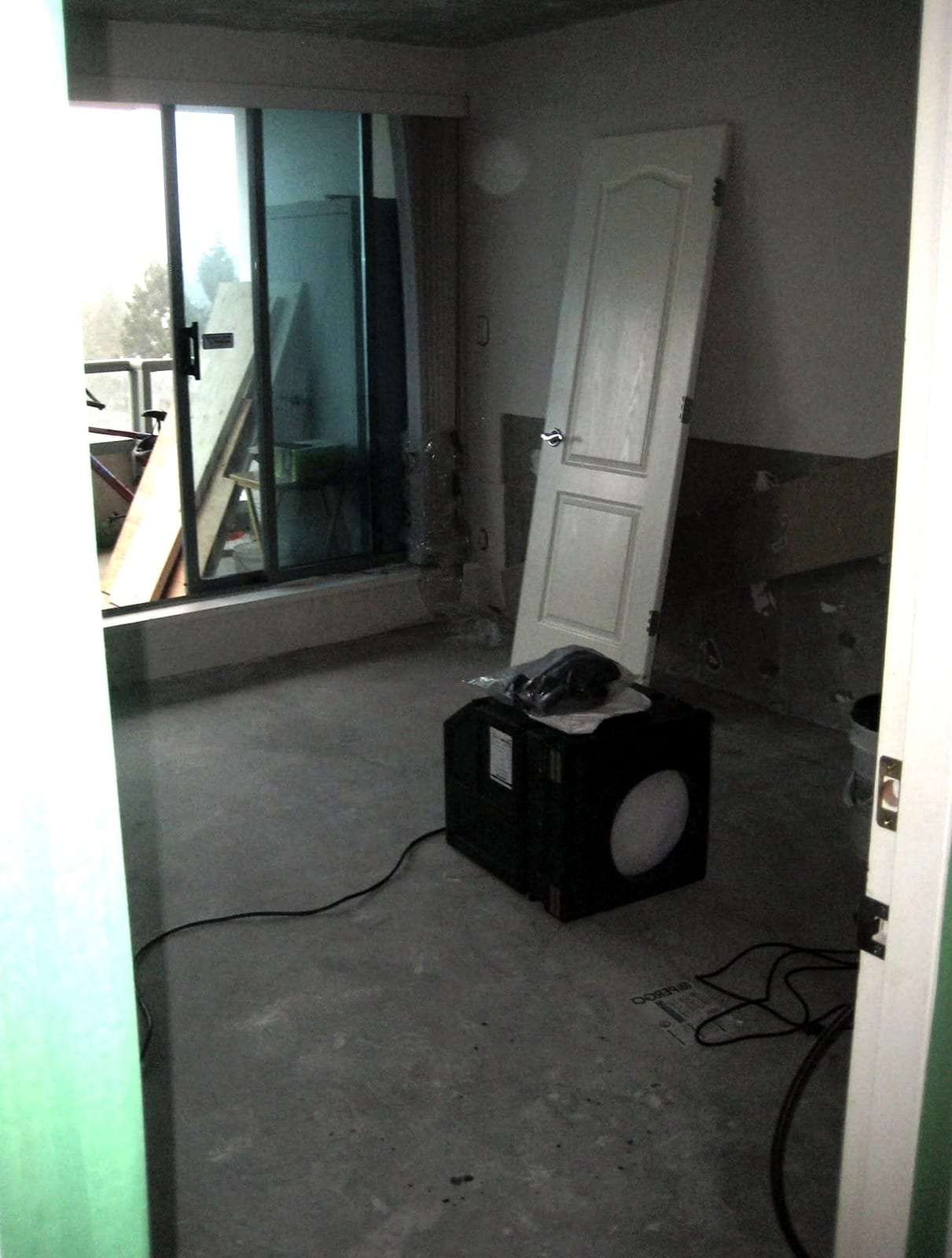
For water that came through a ceiling, ran across a floor or soaked into walls, the work starts with extraction: pumping out standing water and vacuuming what is left out of carpet and pad. Structural drying follows, with air movers and dehumidifiers drawing water out of framing, subfloors and wall cavities.
Wet drywall is often cut away along the bottom of the wall, a flood cut, so the cavity can dry. Rebuilding waits until the drying checks in Our Process say the structure is dry, since new drywall over a damp stud seals the water in. Then drywall, flooring, trim and paint go back, with each stage documented for the insurance paperwork.
Leaks, Overflows and Backups the Crew Handles
The work covers water from any of these sources:
- Burst or frozen pipes and split supply lines inside walls and ceilings
- Appliance leaks from water heaters, washing machines, dishwashers and ice-maker lines
- Roof and ice-dam leaks that run down inside a wall
- Foundation seepage into a wet basement or crawl space
- Sewer or drain backup through a floor drain, toilet or tub
Clean, Gray and Black Water
Every leak or flood raises the same first question: what kind of water was it? The trade sorts water into three categories, and the category decides what can be dried and what has to go. Clean water left sitting for a couple of days is treated as gray.
| Category | Typical source | Main risk | Usual approach |
|---|---|---|---|
| Category 1: clean | A burst supply pipe, a tub overflow, a leaking ice-maker line | Low at first, rising the longer it sits | Extract and dry; most materials dry in place if caught early |
| Category 2: gray | Washer or dishwasher discharge, a toilet overflow without waste, groundwater seepage | Bacteria and chemicals that can make people sick | Extract, clean and disinfect; pad and soaked drywall usually come out |
| Category 3: black | Sewer or floor drain backup, floodwater from outside | Sewage bacteria, viruses and debris | Keep people out, remove porous materials it touched, then clean and disinfect what stays |
Material by Material: Dried in Place or Removed
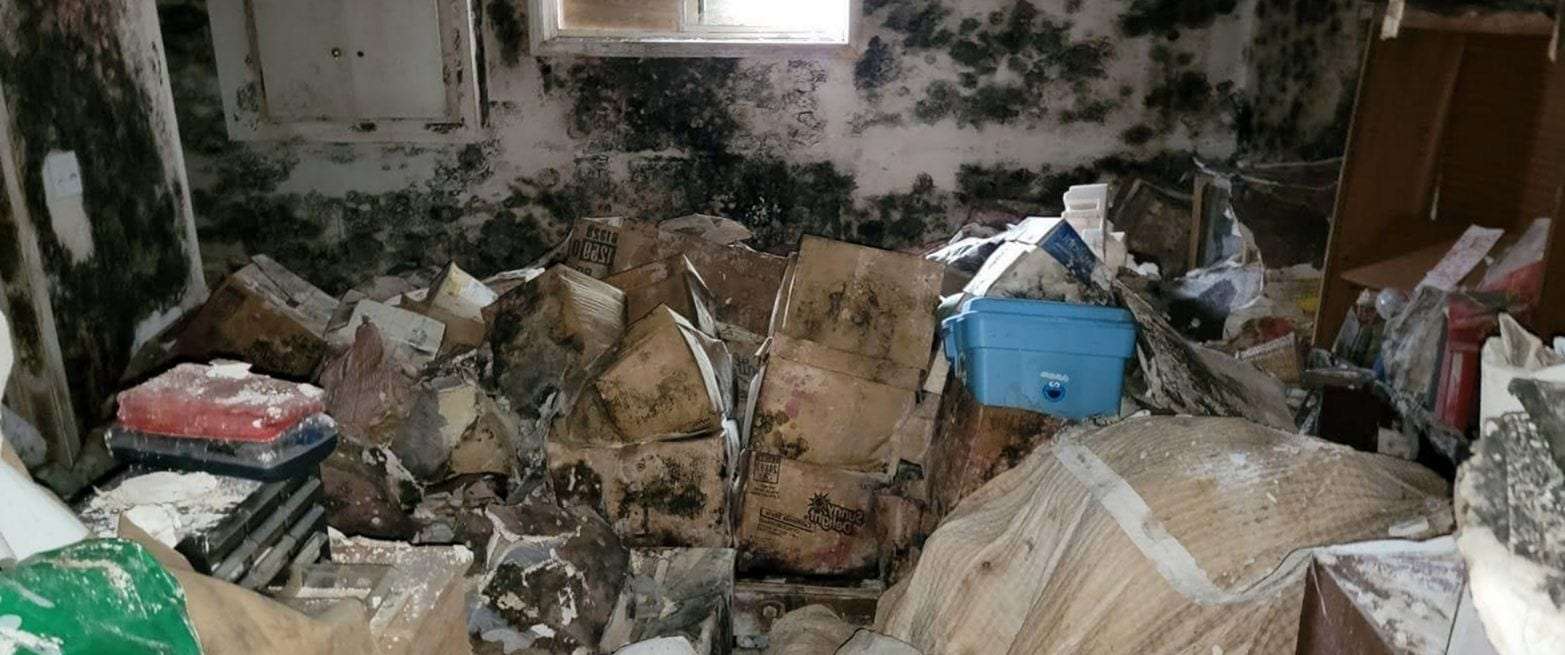
Whether a wet material can stay depends on the water category and how long it stayed wet. Solid wood and plaster give more room than drywall and foam pad, while boxes, papers and soft furnishings that sat in water for days rarely come back.
| Material | Often dried in place | Often removed | Why |
|---|---|---|---|
| Hardwood flooring | Clean water caught early | Buckled boards, or any black water | Boards dry slowly under drying mats; buckled ones rarely lie flat again |
| Carpet | Clean water, extracted within a day or two | Black water, or days of soaking | The fibers dry well, but sewage stays in the backing |
| Carpet pad | Clean water caught within hours | Gray or black water, and most other jobs | Foam pad holds water like a sponge |
| Drywall | Clean water, board still firm | Soft or swollen board, or any black water | The paper facing feeds mold once it soaks through |
| Plaster and lath | Clean water, plaster still firmly attached | Loose or bulging plaster, or black water | Plaster handles water better than drywall but dries slowly |
| Insulation | Rigid foam board | Soaked fiberglass batts and cellulose | Wet batts slump and hold water against the framing |
| Subfloor and plywood | Plywood that stays flat and holds together | Swollen particleboard or OSB, or separated layers | Particleboard and OSB swell and stay swollen |
| Trim and cabinets | Solid wood trim, pulled off so the wall can dry | Particleboard cabinet boxes that swelled | Particleboard crumbles when wet; solid wood can be dried and refit |
Water heater let go overnight and soaked half the basement carpet. Called Seward first thing and they had someone here by noon. The tech pulled the wet pad, set up fans and a dehumidifier, and checked the drywall with a meter. He said the carpet itself could be saved, just not the pad. Back to normal in a few days. No pressure on extras. Would call them again.
Dry or Discard Checker
One material at a time: the usual trade answer, by the kind of water and the time wet.
Pick the material, the time wet and the kind of water, then press the button.
The Mold Window on Wet Materials
Once materials have stayed wet a while, timing matters as much as the water. If growth has started, the job becomes mold remediation, with containment and removal before drying and rebuilding.
How long can wet materials sit before mold becomes a concern?
Not long. In a warm house, mold can start on wet drywall, wood, carpet and pad within a day or two, and a few days is often enough for growth you can see, so drying should start right away.
Cool rooms buy a little time, and dirty water shortens it. Wall cavities and the space under cabinets and flooring dry slowest, so a musty smell days later is worth taking seriously.
Freeze-Thaw Cracks, Ice Dams and Plaster-and-Hardwood Houses
In Minneapolis, winter and spring set the pattern. Freeze-thaw cycles open small cracks in foundations, and ice dams push meltwater into exterior walls, often showing up weeks later as a ceiling stain. Spring thaw piles snowmelt against the foundation while the ground underneath is still frozen. Older houses here often have plaster walls and hardwood floors, and both dry slowly: hardwood can cup on the way, and plaster needs time before it is painted.
While You Wait for the Visit
- Shut off the main water valve if a pipe or appliance is still leaking.
- Stay out of wet rooms where water may reach outlets, cords or the electrical panel.
- Move rugs, boxes and electronics to a dry room; set furniture legs on foil or wood blocks.
- Mop up clean water only where it is safe to stand; stay out of sewer water.
- Photograph the damage before anything is thrown out, for your own records.
One Company for the Drying and the Rebuild
Send the address and what got wet, or call if water is still spreading.