
Water Damage
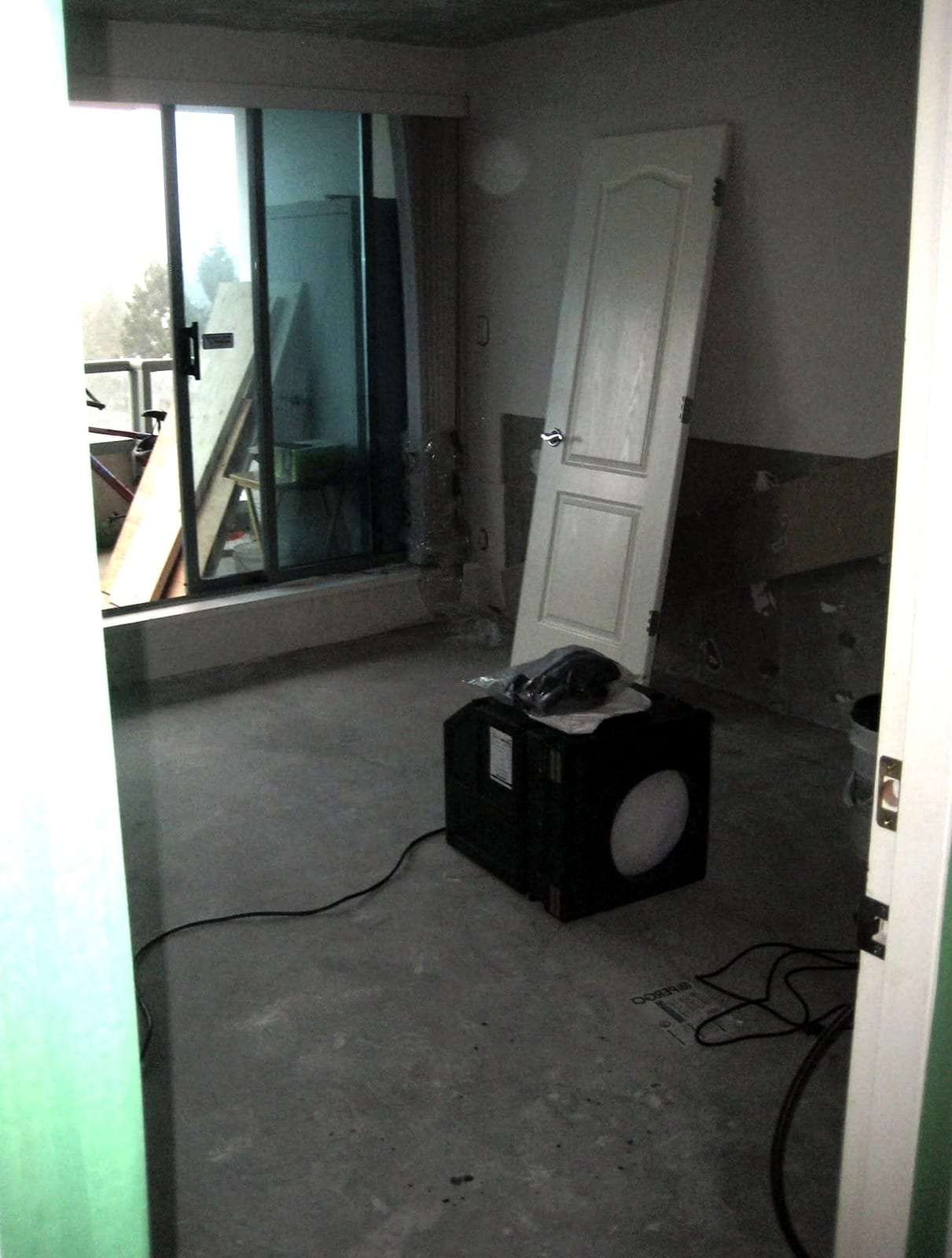
Extraction of standing water, removal of what cannot be dried, then structural drying with air movers and dehumidifiers until the readings match dry material.
Learn More about Water DamageTwo kinds of calls come in: water that got where it should not be, and the residue or growth left after a fire or a slow leak.
Restoration is the work between the damage and the finished room. Wet material is dried or removed, soot and odor are cleaned out, growth is taken out at its source, and then the drywall, flooring, trim and paint go back. Seward Restoration handles each of those steps for houses, duplexes, rental units and small commercial spaces in Minneapolis and across the Twin Cities, and documents each stage for the insurance claim that often comes with them.
The work falls into two groups, the way the damage usually arrives. Most jobs belong to one; a fire put out with a hose belongs to both.
For water from inside the building or from the weather: a supply line, an appliance, a frozen pipe, groundwater at the foundation, a drain that backed up, or rain and snowmelt let in through a damaged roof.
Extraction of standing water, removal of what cannot be dried, then structural drying with air movers and dehumidifiers until the readings match dry material.
Learn More about Water Damage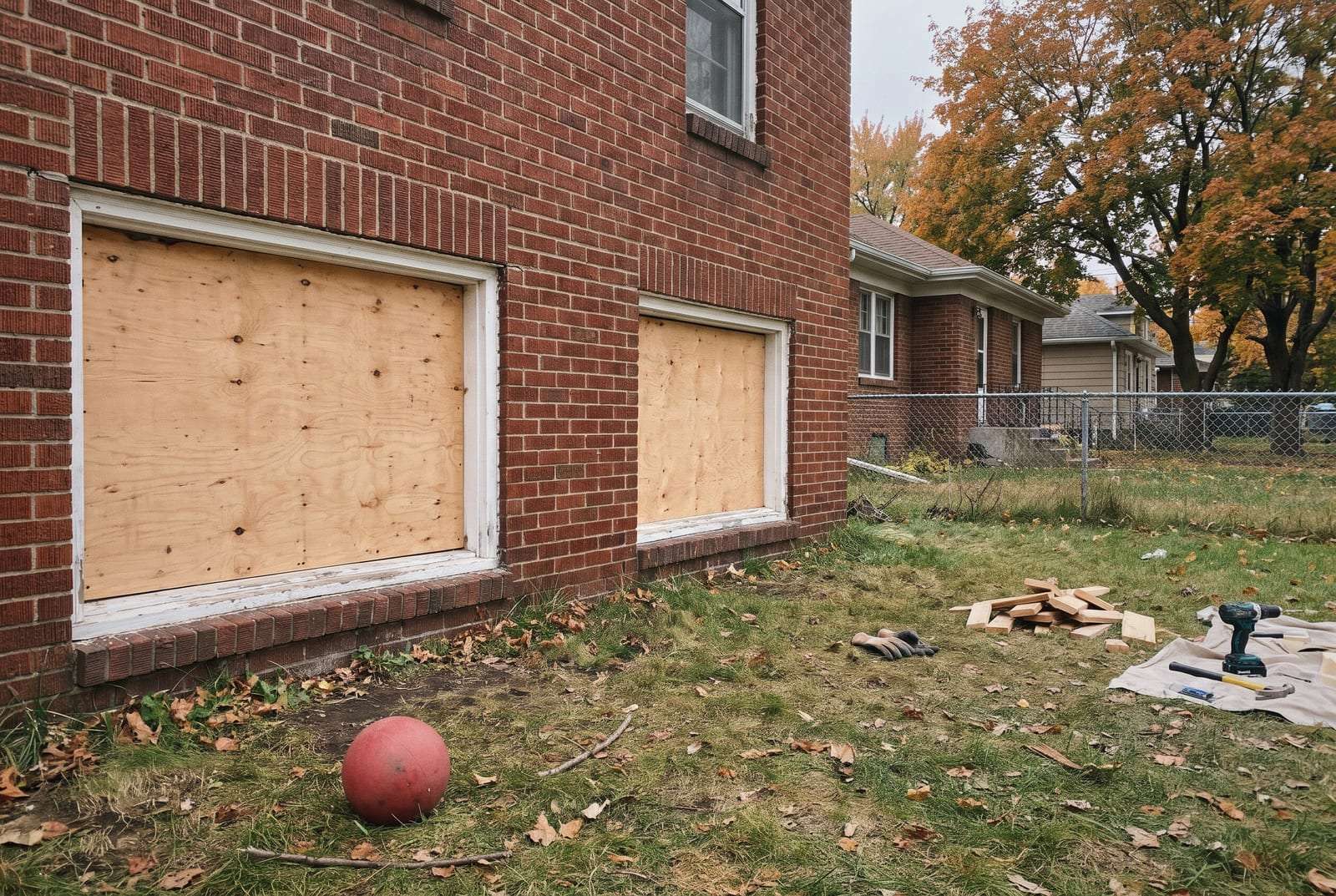
Covering what the storm opened, getting the water out of ceilings, walls and floors, drying the structure and rebuilding the inside once it is dry.
Learn More about Storm DamageTwo common situations, and the signs that point to them:
For what a fire or a long-running moisture problem leaves on surfaces and in the air: soot film, smoke odor that comes back after cleaning, and mold growing where a leak or condensation kept material wet.
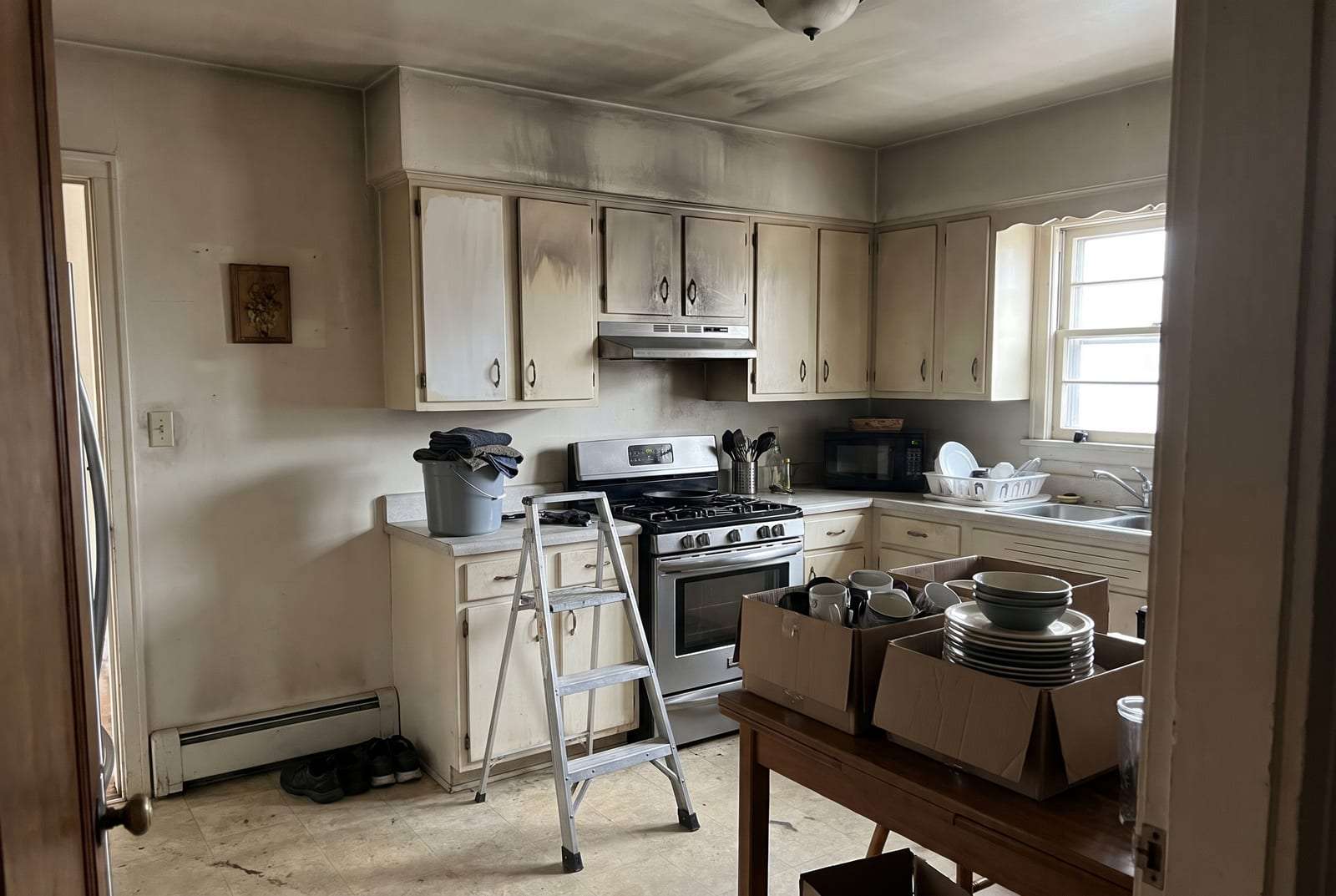
Soot removal, odor treatment, drying the water used to put the fire out, and cleaning the contents that can be saved, room by room.
Learn More about Fire & Smoke Damage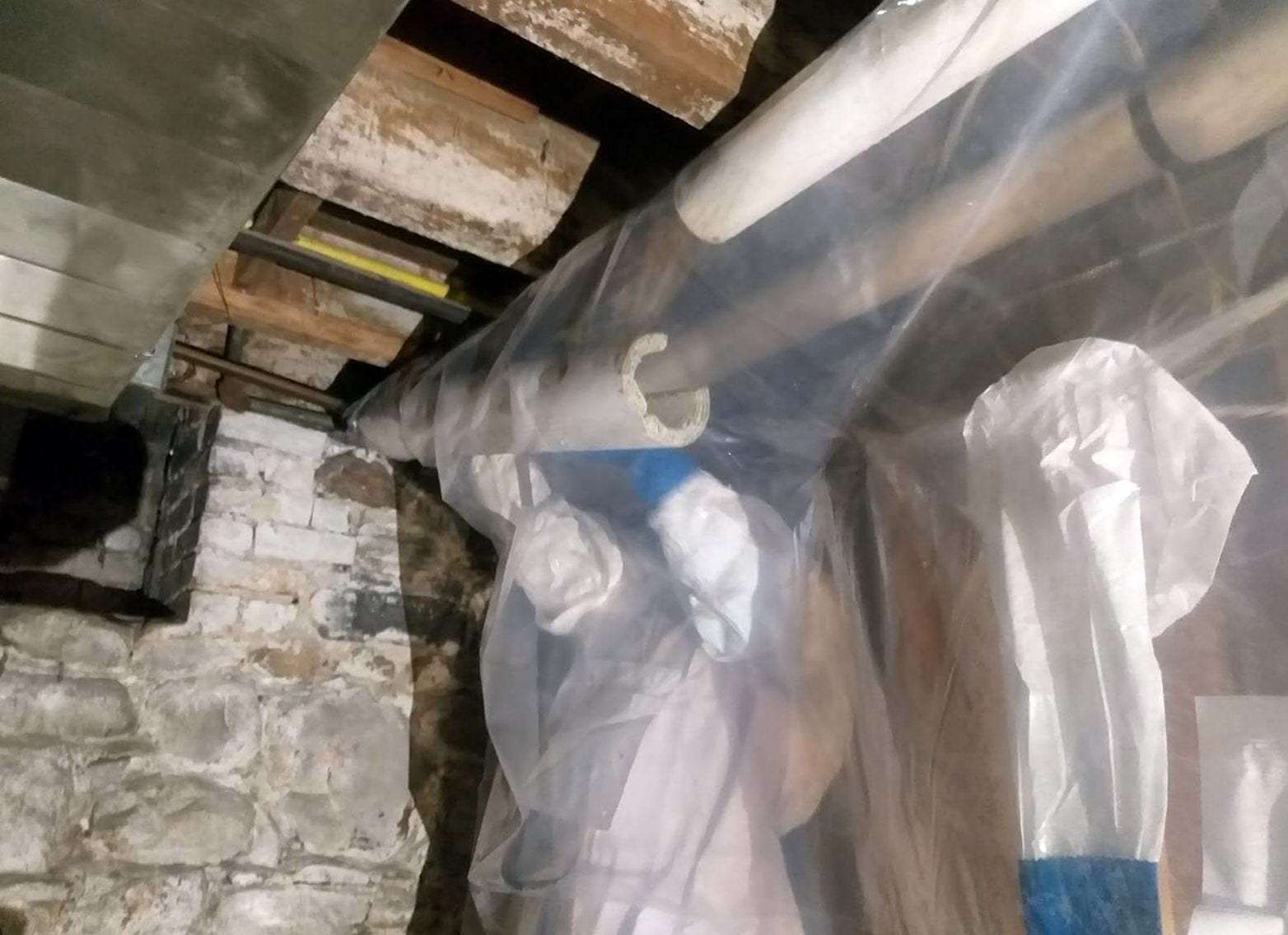
Finding the moisture behind the growth, containing the work area, removing material the mold has taken over, cleaning what stays and drying it out.
Learn More about Mold RemediationMost calls start with something a person noticed: a stain, a smell, a sound in the wall or water where it should not be.
| What you see | Likely service | Page to open |
|---|---|---|
| Water dripping through a ceiling after a pipe or fixture let go | Water extraction and drying | Water Damage |
| No water at a tap during a cold snap, or a pipe with frost on it | Frozen pipe, then drying if it split | Burst Pipes |
| Water at the basement floor after snowmelt or heavy rain | Basement water removal and drying | Wet Basement |
| Shingles gone, a window broken or a branch through the roof | Covering the opening, then drying | Storm Damage |
| A gray or black film on walls and cabinets after a fire | Soot removal and cleaning | Fire & Smoke Damage |
| A smoke smell that returns days after cleaning | Odor treatment at the source | Soot & Odor Cleanup |
| A musty smell, or spotting on drywall or attic sheathing | Mold remediation | Mold Remediation |
Damage rarely comes in one kind. A kitchen fire is put out with water, a roof opened by wind lets in rain for days, and a slow leak that went unnoticed often has mold behind it by the time anyone looks.
The water is usually dealt with first. Wet drywall, insulation and flooring start growing mold within a few days, so extraction and drying begin as soon as the building is safe to enter, while soot is kept from spreading into clean rooms.
Soot and odor cleaning follow on dry surfaces, because wiping or washing soot on wet material tends to smear it deeper. Mold found along the way is handled as its own step with containment. The rebuild comes last, once every affected area reads dry and clean.
One request covers it, whichever kind of damage it turns out to be, or a mix of them.